Get your FREE GUIDE '7 Steps to grow a Quilt Pattern Design Business'

how to become a designer
There are a million ways to become a designer. Step 1?
Google ‘how to become a designer’ and you will get a million different suggestions.
From UX design to fashion design to product design to graphic design to surface pattern design…
What about just ‘designer’? And how do you become a designer?
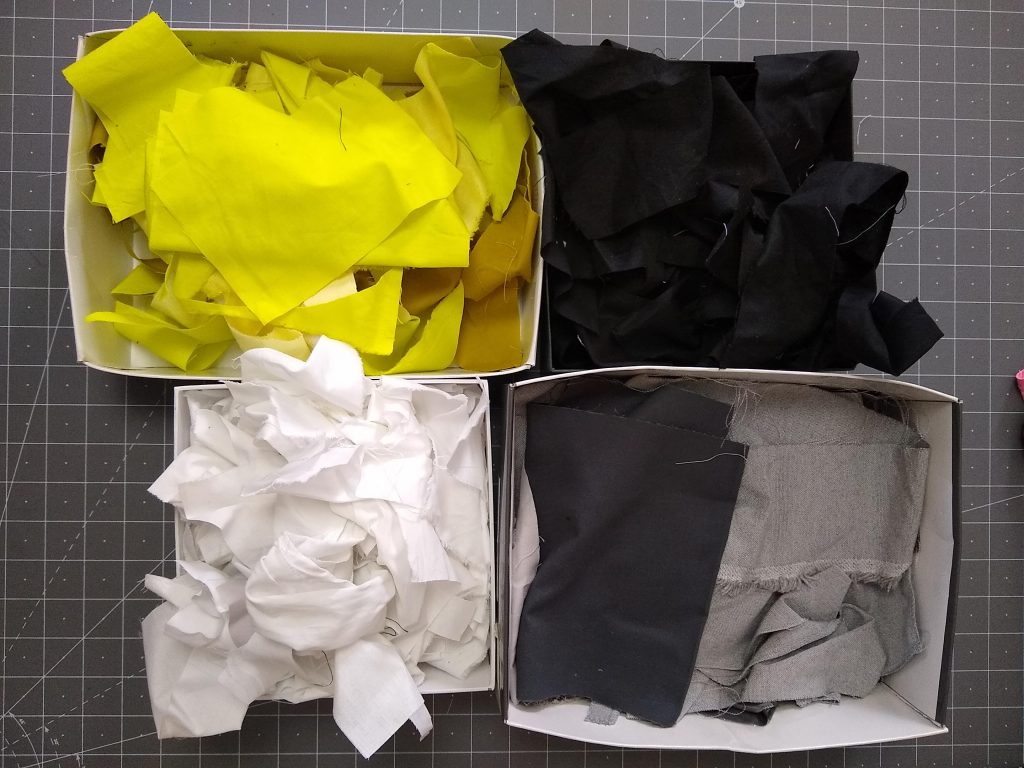
Here’s a synopsis of my path to become a designer:
Mechanical engineering degree
Work offshore on oilrigs as a wireline engineer
Study architecture and product design
Have babies
Start quilting
Design quilts
Start my own business
Not exactly linear.
I guarantee you that if you ask any designer what their path to design was, it will be completely unique to them.
Some people take the route of studying design at a college, university, or taking an online course. Others just start learning and making and practicing practicing practicing.
There are a million ways to become a designer.
Step 1?
Get started. And get curious.
Open your eyes to the world around you. Have lots of input from lots of different sources. Filter what you see and are inspired by through your own experience. Do your own thing.
I talked a bit about this on a recent episode of the Quilt Buzz Podcast I was interviewed for (you can listen to the full episode here).
Here’s an excerpt where I talk to Amanda (@broadclothstudio) and Wendy (@the.weekendquilter) about getting started discovering your own design direction.
Q:
What’s your best advice for someone striking off on their own (design journey) for the first time?

A: “Step number one is turn off social media and stop scrolling and looking what everyone else is doing. And, you know, I mean, I don’t. Stop looking at the internet, close your social media, get out, open your eyes, look and observe and see what it is that strikes you.
What are you interested in? Is it just the things that you are being shown or are you interested in other things that you’re seeing around you? You need to be a bit more of an active gatherer of inspiration and an active participant in the input into your design brain.
And then, it doesn’t stop there. You need to filter those ideas through your own kind of design black box, which is your brain and your experiences. And then you need to take that idea and go a little bit deeper. It’s the same as what I mentioned earlier, you can’t just take the first idea that comes into your mind and run with that.
Go a little bit deeper. It’s not just about snap a photo and draw the outlines of what you can see.
What happens next? What do you do with that next?
How do you take that idea or that design or that drawing and what you do with it next is really the part that will let you come to a better understanding of your own design skill and your own design aesthetic, and your own design voice, really in the end that’s what you’re trying to do.”
Q:
How do you track ideas or notice trends in what inspires you?
A: “I have a couple of different ways. I have a few different sketchbooks. [read more about my sketchbooks here]
I have one that I kind of take around with me and I’m looking at things all the time. I have a bigger one in my studio that I will work in, one that I keep with my journal that I might do in the morning. So if I’m sitting there and I see something from a different angle that looks a little bit cooler than it did the day before I might sketch it out.
And I also have my phone with me all the time, like we all do. So I take photos and things like that. But as I mentioned, it’s not just about snap the photo and that’s it, you know, you need to have a method or a way to go back and review those things and those ideas that have come to you and that you’ve captured.
And that’s really the design process that I teach in my course. These processes of taking those ideas that you’ve got. And then what next? Now what’s the next step? How do you go deeper with those ideas? And part of that, that idea generation is the inspiration gathering.
So sketching and taking photos, but most importantly of all reviewing those things that you are sketching and reviewing those photos that you’re taking and then doing something with those ideas, the next step, that’s the important part.”
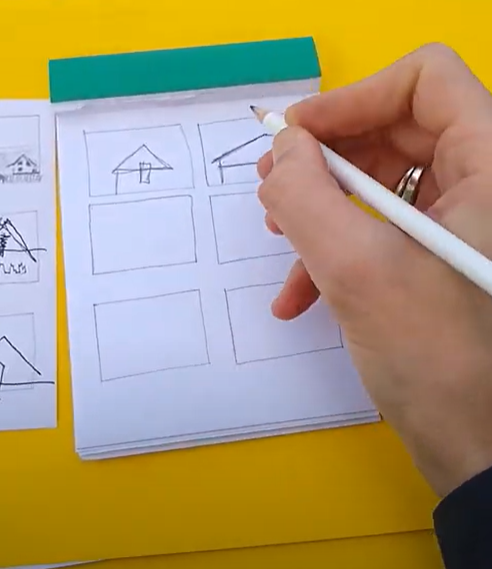
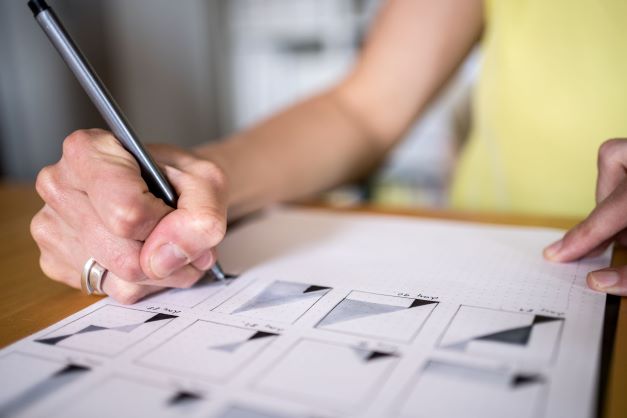

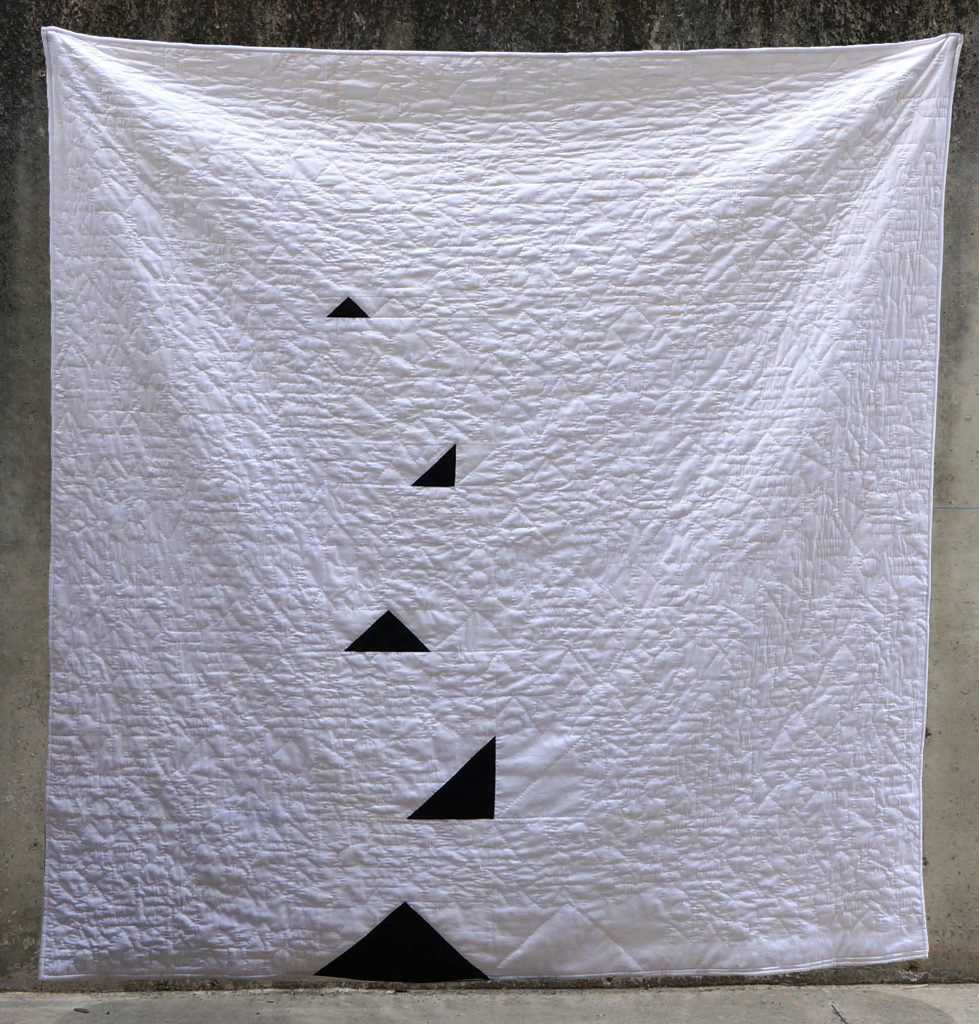
If you’d like to be notified next time registration opens for Quilt Design Code, my design and pattern writing course click here.
What about you? What does your path to designer look like?
Leave a comment below.