Get your FREE GUIDE '7 Steps to grow a Quilt Pattern Design Business'
blow your mind
How do you make a plant into fabric? When we visited Otzi, the 5000 year old human found in the pre-alps about 3 hours drive
Get your FREE GUIDE '7 Steps to grow a Quilt Pattern Design Business'
Get your FREE GUIDE '7 Steps to grow a Quilt Pattern Design Business'

Welcome to the How to Design a Quilt Series.
This is an ongoing series about all the phases of designing a quilt. I talk about quilts here because I am a quilt maker. But you can apply this design process to any medium you like – painting, drawing, embroidery, whatever your jam is.
In this journal entry, we’ll cover the second stage of designing a quilt – developing an idea. This design process is based on my working system that I have honed over many years as a designer and quilter. And it consistently produces an effective design and is a proven way to get not only an idea for a quilt design, but a unique idea for a quilt design.
How do you come up with a good design idea? How do you develop that design idea? What are the steps?
So you have an idea. Now what?
Ideas are a dime a dozen. It’s what you do with them next that makes them pop or flop… Let’s take a look at how to go from idea to great idea.
When it comes to designing quilt patterns, it’s easy to come up with an idea. In fact anyone can come up with an idea. They’re a dime a dozen. So how do you come up with a really unique idea, something that will stop the scroll and get them to see your design? And buy your quilt pattern.
This installment in the series on ‘how to design a quilt’ will be covering one of the key steps in the design process that will get you to come up with unique designs every time.
Later in the post I’ll let you in on a bonus tip – that will help you push through and create your best and most unique design yet.
Coming up with a unique design idea starts the first step, in the inspiration you gather. If you want a bit more on this stage check out the journal entry I made on inspiration.
But it’s really what you do with that idea next that is the key to a producing a really unique design for a quilt or quilt pattern.
Ideas are a dime a dozen. It’s what you do with that idea next that makes a really effective design.
What do I mean by iterate? It’s not some difficult maths equation don’t worry. It simply means to say or do something again and again and again.
While this might sound boring and repetitive at first, by the end of this video you’ll see just how powerful this technique can be in unlocking great design ideas.
So how do we go about iterating a design? Well, it’s as simple as repeatedly re-drawing, or revisiting an idea and tweaking it a little each time. Again, stick around to hear the bonus tip which takes this apparently repetitive task to the next level.
I take an idea I had or a sketch I made when I was gathering inspiration.
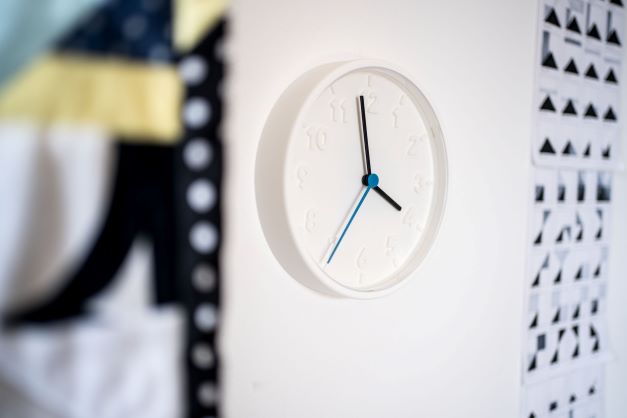
Then I draw a grid of squares or rectangles- just small ones. We don’t need to draw at a huge scale every time.
And then I draw what I want to iterate, and repeat it in each square, changing something slightly each time I do it.
I might change the colour, or inverse the value, or draw an outline and not a fill, or subtly shift a shape, or add a texture. [link to design elements]. Using these design elements I can tweak my design over and over without having to come up with a whole new design from scratch each time.
I might focus on the one thing that I like about the design and carry that forward or remove something that I don’t like and leave it out of the next iteration.

This lets you get really clear on what you like and don’t like about your idea and it let’s you test a out a while series of things really quickly before you get to cutting fabric, or wasting a whole lot of art supplies on something you end up hating.
The other added bonus of iterating your idea is that you make sure you are not too close to someone else’s idea. Say, during the inspiration gathering process you saw someone’s quilt or photo that you really loved. But you’re nervous about reproducing that idea too closely. This iterative process is one of the best ways to ensure that you aren’t directly copying or plagiarizing someone else’s idea and that the idea really is unique to you.
Something extra that comes out of this process is a hundred new ideas. Not only are you tweaking this idea to get the best version of it, you might also come up with new ideas while you are focused on this work. Something might pop out for you that you didn’t notice before. Or spark another idea.
At this point, you can either run with the new idea, or jot it down to return to it at a later time and continue with your current iteration series.
I can keep going like this for ages. It’s really addictive and quite meditative once you get into the flow.
If you do find yourself slowing down, simple start a new iteration series. Sketch something else, or take a new idea, and iterate that. I guarantee that you will come up with a design that is 100% unique to you.
let’s recap
So before we get to the bonus tip on how to generate a whole series of ideas from just one, let’s recap why you should iterate your design:
So, now you understand why iteration is such a great way to approach your quilt design.
But if the idea of sitting down and creating so many small drawings is overwhelming for you, or you think you might get bored (trust me you won’t!) here’s my bonus tip on how to keep going:
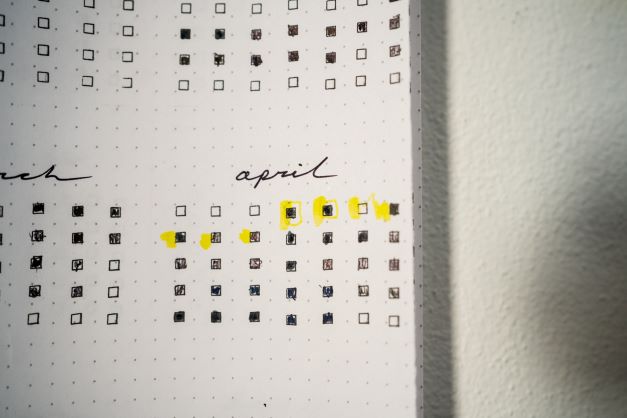
That’s right. Set a start date in your calendar, calculate 100 days from that date, and set the end date in your calendar (and plan a little surprise celebration for yourself – an ice cream maybe or buying a fat quarter of your favorite fabric)
Then each day, work on one iteration of your design. This is a great way to motivate yourself to keep working on a design and bonus, you’ll also build up a bank of design ideas in the meantime.
Again, if you get stuck, change tack. That’s fine! You could do one design for 10 days, and over the course of 100 days, work on 10 different designs! With 10 iterations each! Think of the possibilities…
This is a super great way to come up with a cohesive group of ideas for quilt block patterns that could be your next block of the month or sampler quilt.
So that’s it for this step in the series on how to design a quilt.
The next step in the series is looking at how to review your work. And if this sounds a lot like homework, stay tuned for all the reasons why this is such a powerful step in improving your design skills.
If you want to get the full picture of the design process I use to design quilts, you can grab a copy of my guide ‘Design your own quilt in 5 steps’. The guide sets out the 5 steps in my design process that take you from idea to quilt design. Just click the image below.

Check out these resources:
How do you make a plant into fabric? When we visited Otzi, the 5000 year old human found in the pre-alps about 3 hours drive

What would it look like if I designed my own quilt?
Next up: How to design a quilt – Step 3: Review (coming soon).
Enter your email to receive a link to download the guide